Our Practices

Everything we do at P&K Family Farms is built on one principle: raise food the way it's supposed to be raised, and be completely transparent about how we do it.

We're first-generation farmers in Clermont, Georgia — two families who started this operation because we wanted to know exactly what was going into the food we fed our kids. What began as a response to empty grocery shelves during COVID has grown into a mission to strengthen our local food community and provide families across the Southeast with meat they can actually trust.

This page is our open book. Every practice, every protocol, every standard — right here. No marketing language. No fine print. Just how we raise our animals.

Shop Our Meats

What We Never Use

This is the foundation everything else is built on. These are not guidelines. These are absolutes.

No antibiotics — ever. Not with a withdrawal period. Not "antibiotic-free at the point of sale." Our animals are never administered antibiotics at any point in their lives

No hormones — ever. No growth hormones, no growth promotants, no implants. Never.

No mRNA vaccines — ever. We do not use mRNA vaccines on any of our livestock. Period.

No GMO feed. Every ounce of supplemental feed we provide is verified non-GMO.

No corn. No soy. Our feed is corn-free and soy-free. These are the two most common ingredients in conventional livestock feed, and we've eliminated both entirely.

No chemicals, herbicides, or pesticides on our pastures. The ground our animals graze is managed naturally through regenerative practices — not chemical inputs.

When other farms say "no antibiotics," ask them if that means never — or if it means the drugs cleared the animal's system before harvest. There's a difference. Ours means never.

Shop Our Meats
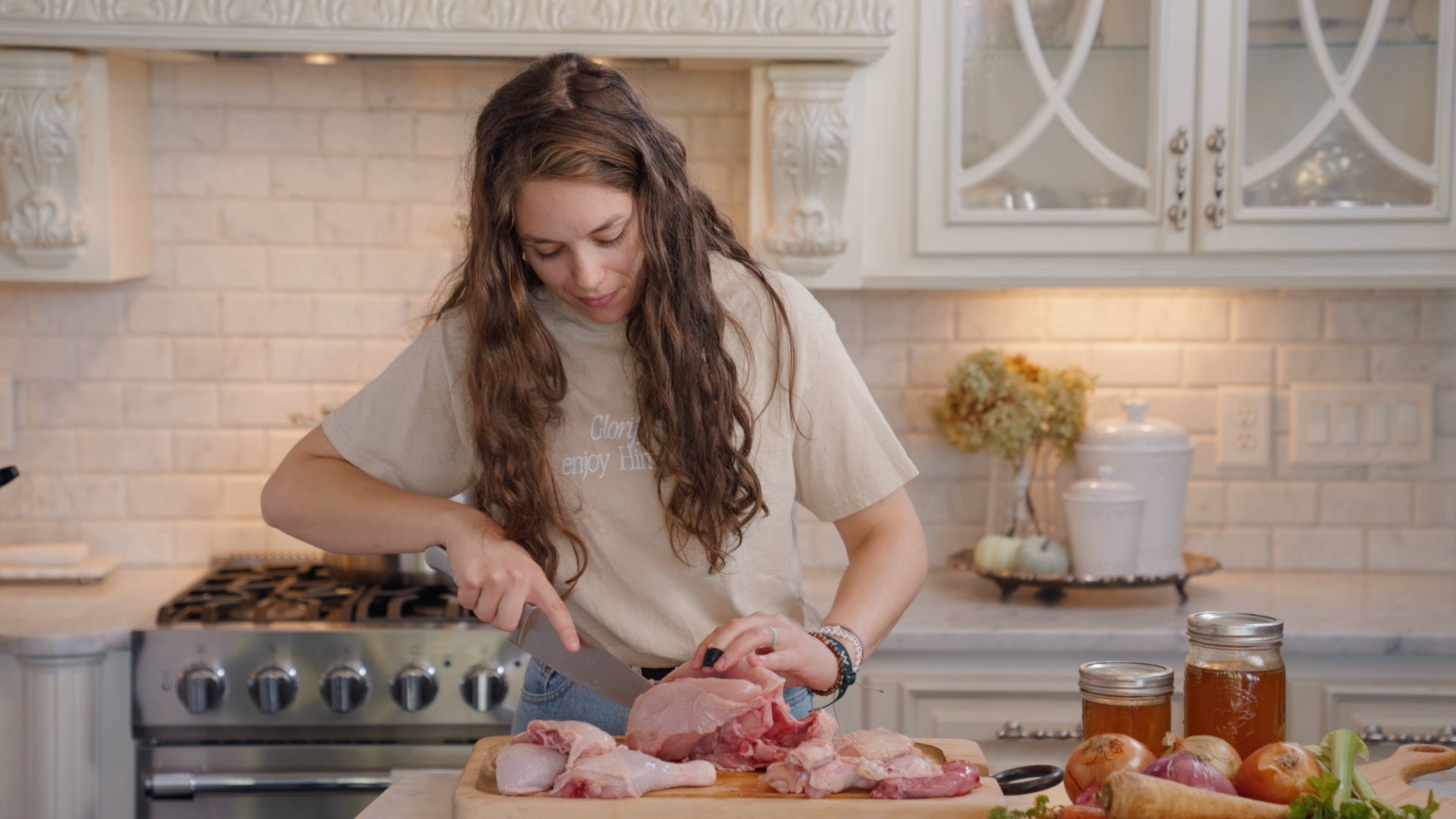
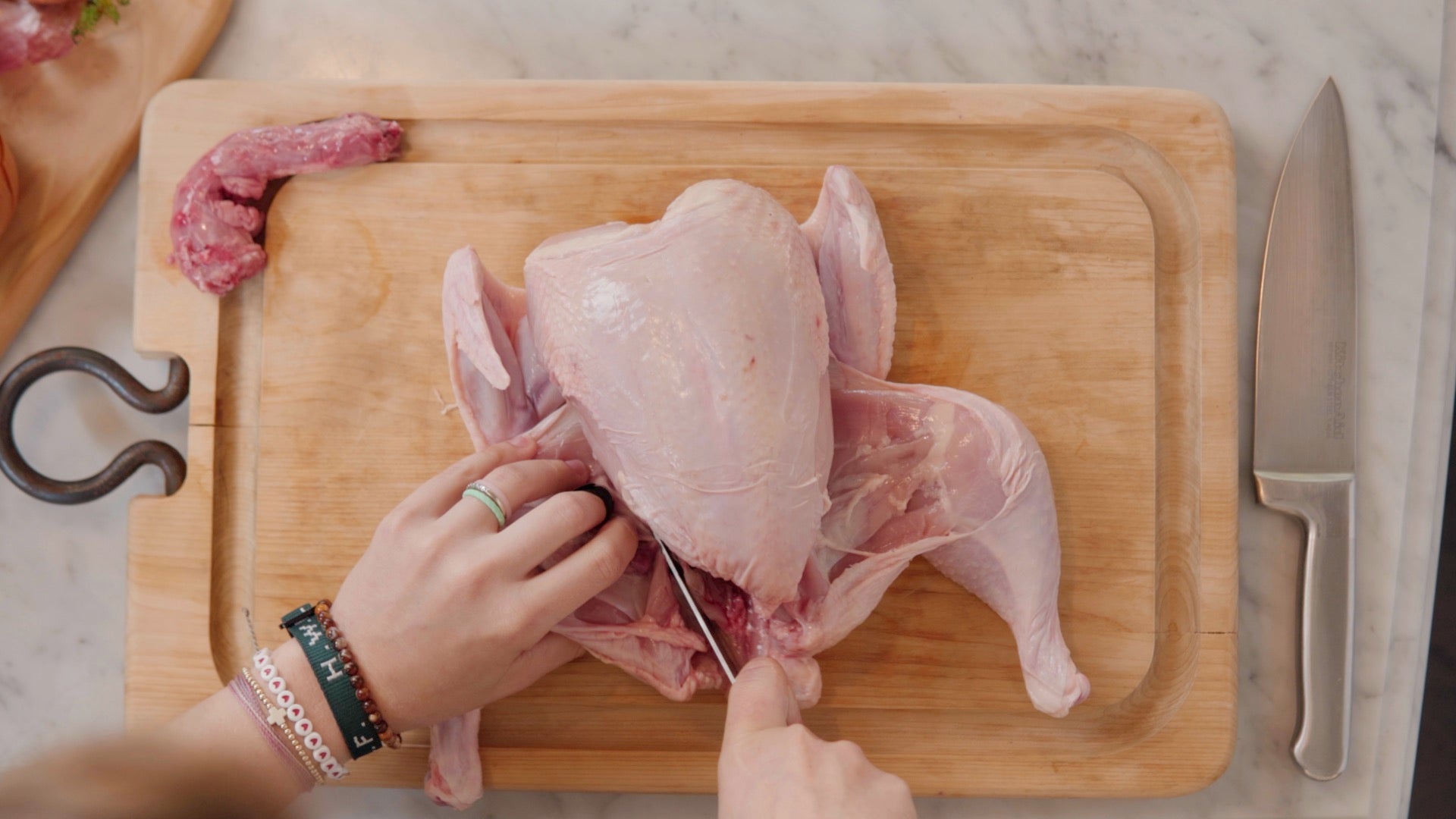
Pasture-raised whole chicken from P&K Family Farms delivered to Atlanta Georgia raised on fresh pasture daily with corn-free soy-free feed

Pastured Poultry

Our chickens live outside 24/7 in mobile shelters on open pasture. They are moved to completely fresh ground every single day. This daily rotation gives our birds constant access to clean grass, fresh forage, bugs, and grasshoppers — exactly what chickens are designed to eat.

Why daily rotation matters: When poultry stays on the same ground for more than a day, manure accumulates, pathogen levels rise, and the birds are standing in yesterday's waste. Daily movement eliminates this entirely. Our birds wake up on clean pasture every morning.

This is not "pasture-raised" with an asterisk. Many farms advertising pasture-raised chicken have birds in a stationary house with a small door to an outdoor area the birds may or may not use. Our chickens don't have a door to the outside — they live outside. There is no barn. There is no house. They are on pasture from the day they leave the brooder until processing day.

Our feed: Non-GMO, corn-free, soy-free — with no antibiotics, no hormones, and no animal byproducts. We supplement their natural forage diet with this feed to ensure complete nutrition.

Processing: Our chickens are processed at a USDA-inspected facility and air-chilled — not soaked in chlorinated water like conventional poultry. Air chilling produces a cleaner product with better texture and flavor.

The result is measurable. Compared to conventional chicken, pasture-raised poultry like ours has been shown to contain up to 5x more Vitamin E, 7x more Beta-Carotene, 3x more Omega-3 fatty acids, and a dramatically improved Omega-6 to Omega-3 ratio (1:1 vs. 15:1 in conventional chicken).

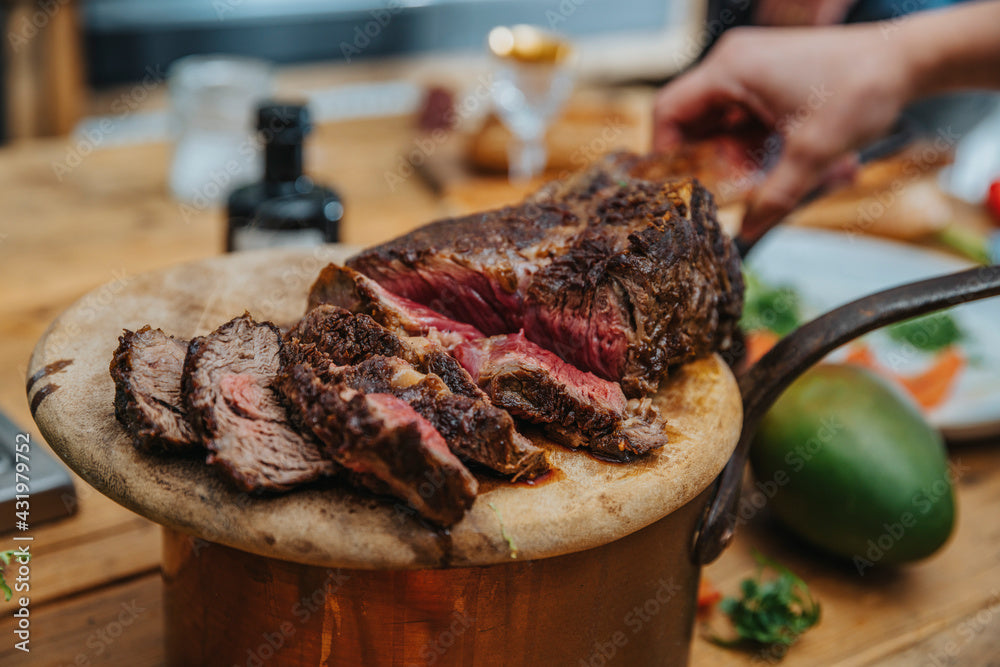
Grass-finished beef share from P&K Family Farms delivered to Atlanta Georgia 100 percent grass fed and finished on regenerative pastures

Grass-Finished Beef

Our beef is 100% grass-fed and 100% grass-finished. Our cattle spend their entire lives on pasture eating grass and forage. They are never supplemented with grain. They are never finished in a feedlot. Start to finish, pasture only.

Why "grass-finished" matters: The USDA dropped its official grass-fed standard in 2016, which means any producer can use the term "grass-fed" with no legal requirement. An animal can eat grass for part of its life and grain for the rest and still be marketed as grass-fed. When we say grass-finished, we mean the animal ate nothing but grass and forage for its entire life.

Regenerative grazing: Our cattle are moved to fresh paddocks regularly. If cattle stay on the same ground for more than two to three days, those pastures are being overgrazed — and overgrazing directly impacts the nutrient quality of the grasses the animals eat. Regular rotation allows pastures adequate rest periods to recover and regrow, which rebuilds soil biology and improves plant diversity over time.

Polyculture pastures: We focus on building pastures with multiple grass species — both annuals and perennials — rather than a monoculture of one primary grass type. A diverse pasture provides a wider range of nutrient profiles to the animals grazing it, which translates directly to more nutrient-dense beef.

Full traceability: We know the history of every animal we sell. We do not purchase cattle from auction barns or unknown sources. Our cattle are raised under our strict protocols — either on our own operation or by our partner farm who follows the same standards we do.

Our partnership: We work closely with our partner farm and Dr. Allen Williams, a recognized pioneer in regenerative agriculture featured in documentaries including Soil Carbon Cowboys and Kiss the Ground. Dr. Williams holds a Ph.D. in Livestock Genetics and has authored over 400 articles on regenerative livestock management. This partnership shapes every aspect of how we raise and source our beef. We are completely transparent about this relationship — learn more about our partner farm here.

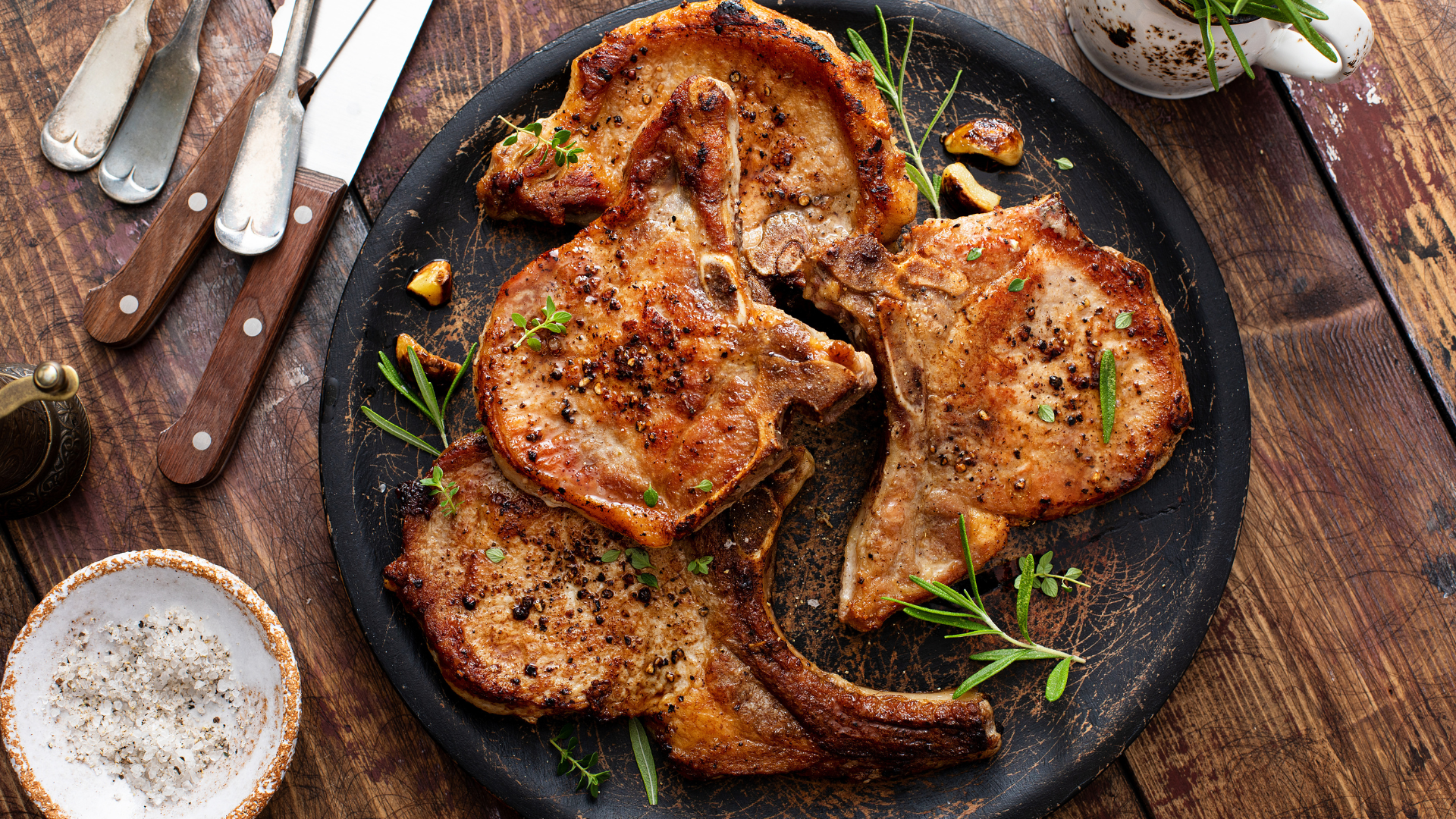
Pastured Pork

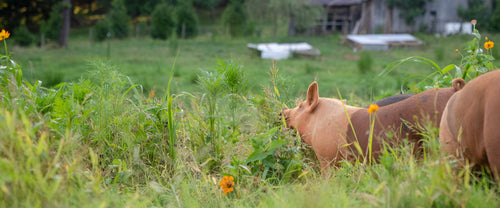
Our pigs are raised on wooded pasture — a natural environment that gives them shade, forage, and room to express their natural behaviors. Pigs are rooters by nature, and wooded pasture gives them the opportunity to do what pigs do best.

Rotation schedule: Our hogs are moved on a weekly to biweekly schedule to prevent the overpopulation of pathogens and parasites in the soil. Pigs root aggressively, and without regular rotation the ground becomes a breeding ground for worms, bacteria, and disease. Moving them to fresh ground regularly keeps pathogen pressure low and the animals healthy — which is how we avoid ever needing antibiotics.

Our feed: Same standard as our poultry — non-GMO, corn-free, soy-free, with no antibiotics, no hormones, and no animal byproducts. Our pigs supplement their natural foraging with clean feed.

Processing: Our pork is processed at a USDA-inspected facility with the same quality standards we maintain across our entire operation.

Regenerative Agriculture — Our Operating System

Regenerative isn't a label we put on our website. It's the operating system behind every decision we make.

Regenerative agriculture is the practice of farming in a way that actively restores the land rather than depleting it. The goal is to rebuild soil biology, improve plant diversity, increase water retention, and produce more nutrient-dense food as a direct result of healthier ecosystems.

What this means in practice at P&K Family Farms:

Daily poultry rotation
— fresh pasture every 24 hours, which distributes natural fertilizer across the land while preventing pathogen buildup in any single area.

Regular cattle rotation — moving cattle to fresh paddocks every 2-3 days with adequate rest periods for pasture recovery. This mimics the natural grazing patterns of wild herds that kept grasslands healthy for thousands of years.

Weekly to biweekly hog rotation — preventing soil degradation from rooting while allowing natural ground disturbance that stimulates new plant growth.

Polyculture pasture development — building pastures with diverse grass species rather than monocultures. Diversity in the pasture means diversity in the nutrient profile of the animals grazing it.

No chemical inputs — no herbicides, no pesticides, no synthetic fertilizers on our pastures. We build soil health through animal impact, rotation, and rest — not chemicals.

Soil health as the foundation — everything starts with the soil. Healthy soil grows healthy grass. Healthy grass produces healthy animals. Healthy animals produce nutrient-dense food for your family. That's the regenerative cycle, and it's why we farm this way.

Shop Our Meats

FAQ's

What do your animals eat?

Our animals eat a variety of natural forage including native grasses, cover crops, and perennial pasture grasses. This mix in diet gives our livestock varied nutrient profiles and help ensure our pastures produce in all seasons from drought to heavy rains.

We never spray our multi-species pastures with pesticides or herbicides giving grasshoppers and other insets a chance to establish and serve as favorite snacks for our chickens.

Our Chickens and Pigs are offered a free choice NON-GMO, Soy Free feed milled at Resaca Sun

Do you use herbicides or pesticides?

We do not use any herbicides, pesticides, or authentic fertilizers in our pastures.

Are your products NON-GMO?

Our livestock are fed a locally made, non-gmo feed that is completely corn and soy free. The food includes various minerals to help promote optimal wellness with no medicine whatsoever. In addition to daily feed, our livestock also get a good portion of their nutritional intake from the grass and bugs within the pasture they are raised on.

Are your animals given any antibiotics or hormones?

NEVER! Our livestock is completly vaccine and medicine free. The high need for continual medicine and vaccines in commercially farmed operations is truly due to the inhumane, restrictive ways the livestock live. On the contrary, our livestock get constant airflow, new ground, free access to fresh water, bugs and grasses, and sunlight. Just like us, our sickness is often caused by our lifestyle, and we have made sure our animals are living large!

Do you grow or use products that are genetically modified?

No, our livestock is fed a locally made, non-gmo feed that is completely corn and soy free. In addition to daily feed, our livestock also get a good portion of their nutritional intake from the grass and bugs within the pasture they are raised on.

Is your meat USDA Certified?

Yes, our livestock is processed at a USDA certified facility.

How do you define Pastured?

We like to say our livestock is “truly pasture raised” misleading food labels have blurred the lines for commercial growers but our animals are outside 24/7 They are moved onto fresh pasture/forest each day providing new forage and fresh bedding.